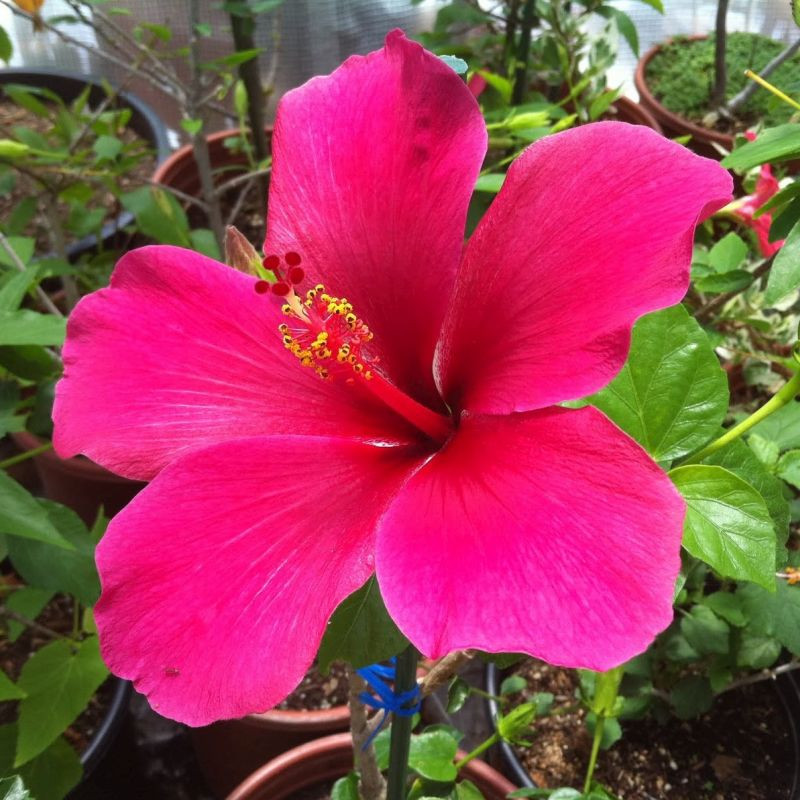
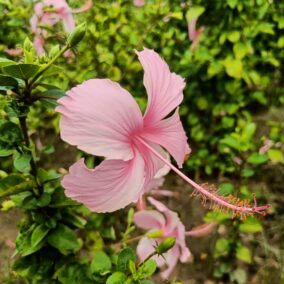
Viceroy Hibiscus Pink is not just a flower; it’s an embodiment of elegance, grace, and vibrant beauty. With its delicate petals painted in hues ranging from soft blush to deep magenta, this variety of hibiscus is a sight to behold. Each blossom is a masterpiece of nature, captivating onlookers with its enchanting allure.
The Viceroy Hibiscus Pink is renowned for its versatility and adaptability, thriving in various climates and environments. Whether adorning a tropical garden or gracing a windowsill in a bustling city apartment, its presence brings a touch of exotic splendor to any setting.
Beyond its visual appeal, the Viceroy Hibiscus Pink also boasts a captivating fragrance, reminiscent of a summer breeze laden with floral sweetness. The scent is both uplifting and soothing, adding another dimension to its charm.
In addition to its ornamental value, the Viceroy Hibiscus Pink holds cultural significance in many regions around the world. In some cultures, hibiscus flowers are symbols of love, beauty, and fertility, while in others, they are associated with hospitality and friendship.
Caring for the Viceroy Hibiscus Pink is relatively straightforward, requiring ample sunlight, well-draining soil, and regular watering. With proper care, it rewards gardeners with a profusion of blooms throughout the growing season, each one a testament to nature’s splendor.
Whether admired for its striking appearance, intoxicating fragrance, or cultural symbolism, the Viceroy Hibiscus Pink stands as a timeless icon of beauty and grace. Its presence enriches any environment, filling it with a sense of wonder and delight. Truly, this enchanting flower is a treasure to behold and cherish.
Ideal Conditions
The Viceroy Hibiscus Pink, also known as Hibiscus rosa-sinensis, is a beautiful tropical plant appreciated for its vibrant flowers. Here are some ideal conditions for growing it:
- Climate: Hibiscus rosa-sinensis thrives in warm, tropical climates. It prefers temperatures between 60°F to 90°F (15°C to 32°C). If you’re growing it in a colder climate, consider keeping it indoors during the winter months.
- Sunlight: These plants love sunlight. They need at least 6 to 8 hours of direct sunlight daily. Place them in a location where they can receive plenty of sunlight, preferably in the morning.
- Soil: Well-draining soil is essential for Hibiscus rosa-sinensis. A mix of loamy soil with some organic matter such as compost works well. The soil pH should be slightly acidic, around 6.0 to 6.5.
- Humidity: These plants prefer moderate to high humidity levels. If you’re growing them indoors, consider using a humidifier, especially in dry climates or during the winter months.
- Pruning: Regular pruning helps maintain the plant’s shape and encourages more blooms. Prune after the flowering season, cutting back any dead or overgrown branches.
- Pests and Diseases: Keep an eye out for common pests like aphids, spider mites, and scale insects. Treat any infestations promptly with insecticidal soap or neem oil. Also, watch for signs of fungal diseases such as powdery mildew, and ensure good air circulation around the plant to prevent them.
- Container vs. Ground: Hibiscus rosa-sinensis can be grown in containers or planted directly in the ground. If you’re growing it in a container, make sure the pot has drainage holes, and repot it as needed to prevent becoming root-bound.
Watering Period
Keep the soil consistently moist but not waterlogged. Water the plant deeply whenever the top inch of soil feels dry to the touch. Avoid letting the soil dry out completely between waterings, as this can stress the plant.
Fertilization
Hibiscus rosa-sinensis benefits from regular fertilization during the growing season (spring and summer). Use a balanced fertilizer formulated for flowering plants, and follow the instructions on the packaging.
Only logged in customers who have purchased this product may leave a review.


S.reshma –
Good
S.reshma –
Nice
ramesh –
Viceroy Hibiscus Lipstick Pink …available na
Sriram –
Super