
VGR Gardens

Sale!
, ,

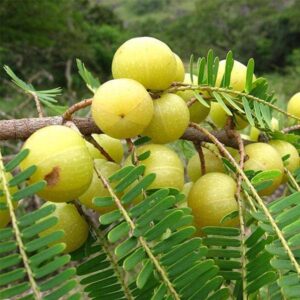
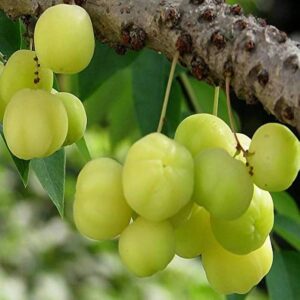
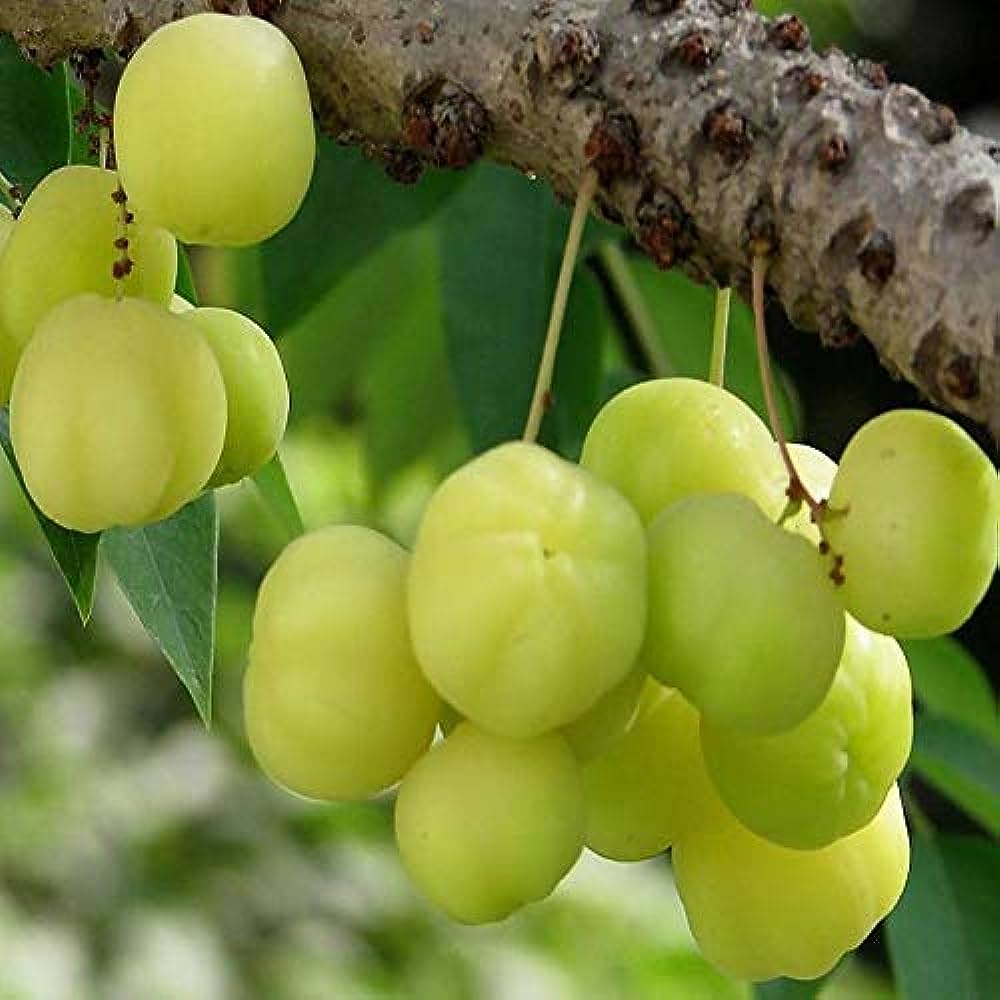
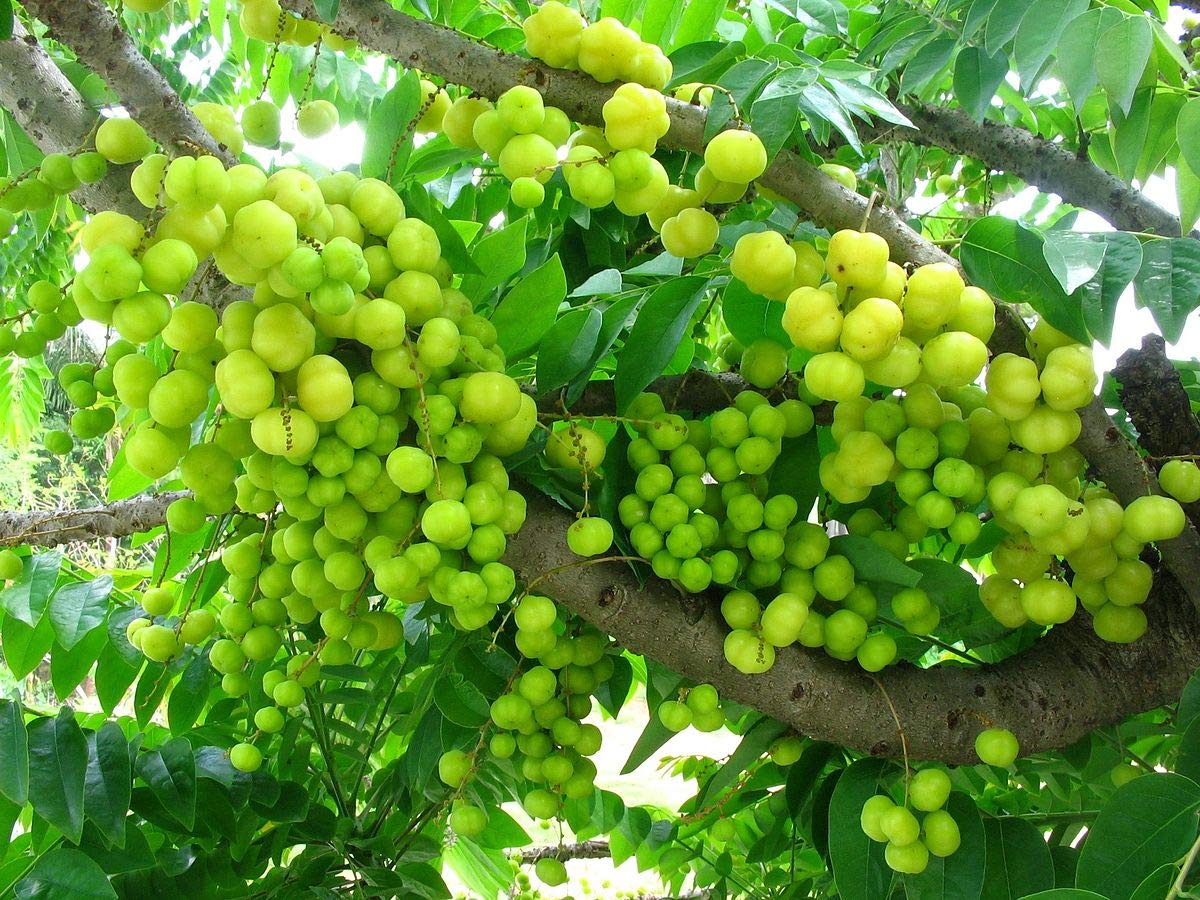
Chinnanelli-Indian Gooseberry Grafted (Phyllanthus emblica) Live Plant

Rated 4.25 out of 5 based on 4 customer ratings
(4 customer reviews)

Original price was: ₹100.00.Current price is: ₹30.00.

  • Name: Chinnanelli Indian Gooseberry
  • Scientific Name: Phyllanthus emblica
  • Height: Up to 10-15 ft
  • Family: Phyllanthaceae
  • Growth Habit: Deciduous Tree
  • Fragrance: Non-Fragrant
  • Best For: Home Gardens, High-Yield Fruit Production, Ayurvedic Use
  • Actual Plant Height: 20-25 cm

Availability: 153 in stock

- +
Guaranteed Safe Checkout

Chinna Nelli or aIndian gooseberry, scientifically known as Phyllanthus emblica, or locally referred to as “amla,” holds a revered status in traditional Ayurvedic medicine and culinary practices across the Indian subcontinent. This small, round fruit, often tart and astringent in taste, boasts an impressive array of health benefits and culinary versatility.

Amla is prized for its high vitamin C content, containing nearly 20 times more vitamin C than an orange. This makes it a potent antioxidant, boosting the immune system, aiding in collagen production for skin health, and fighting against free radicals that cause cellular damage. Its antioxidant properties also extend to preserving food and preventing spoilage.

Beyond its vitamin C content, amla is rich in polyphenols, flavonoids, and tannins, which contribute to its anti-inflammatory and antimicrobial properties. These properties are believed to help in managing various ailments, including diabetes, heart disease, and digestive disorders. Amla’s high fiber content aids in digestion, regulates bowel movements, and promotes gut health.

In Ayurveda, amla is considered a “rasayana,” or rejuvenating herb, known for its ability to promote longevity and vitality. It is often included in formulations to enhance overall well-being and to balance the body’s doshas, particularly Pitta and Kapha.

In Indian cuisine, amla finds its way into an array of dishes, both sweet and savory. It is used to make chutneys, pickles, preserves, and candies. Amla murabba, a sweet and tangy preserve, is a popular way to consume this fruit, especially during the winter months when fresh fruits are scarce.

Beyond its culinary and medicinal uses, amla also plays a role in hair care. It is a common ingredient in hair oils and shampoos, believed to nourish the scalp, strengthen hair follicles, and prevent premature graying and hair loss.

Overall, the Indian gooseberry, or amla, is a versatile fruit that not only tantalizes the taste buds but also offers a plethora of health benefits, making it a cherished component of Indian culture and traditional medicine for centuries.

Ideal Conditions

Chinna Nelli, also known as Indian Gooseberry or Amla, thrives under specific conditions. Here’s what you need for optimal growth:

  1. Climate: Chinna Nelli prefers a subtropical to tropical climate. It can tolerate a wide range of temperatures, from as low as 10°C (50°F) to as high as 40°C (104°F). However, it grows best in temperatures between 25°C to 30°C (77°F to 86°F).
  2. Sunlight: Adequate sunlight is crucial for the growth of Chinna Nelli. It prefers full sun exposure for at least 6 to 8 hours a day.
  3. Soil: Well-draining soil is essential to prevent waterlogging, which can lead to root rot. A slightly acidic to neutral soil pH between 5.5 to 7.0 is optimal. Sandy loam or loamy soil enriched with organic matter works well.
  4. Pruning: Prune Chinna Nelli trees to remove dead or diseased branches and to shape the canopy for better sunlight penetration and air circulation.
  5. Mulching: Mulching helps retain soil moisture, suppresses weed growth, and provides nutrients as it decomposes. Apply a layer of organic mulch around the base of the tree, but keep it a few inches away from the trunk to prevent rot.
  6. Pest and Disease Control: Keep an eye out for common pests like aphids, fruit flies, and caterpillars, and treat them promptly with organic or chemical insecticides if necessary. Also, watch for fungal diseases like powdery mildew and rust, and use appropriate fungicides as needed.

Watering Periods

Chinna Nelli requires regular watering, especially during the growing season. However, it’s important not to overwater, as excessive moisture can lead to fungal diseases. Allow the top inch of soil to dry out between waterings.

Fertilization

Apply organic fertilizers rich in nitrogen, phosphorus, and potassium during the growing season (spring to summer). Avoid excessive use of nitrogen as it can promote vegetative growth at the expense of fruiting.

4 reviews for Chinnanelli-Indian Gooseberry Grafted (Phyllanthus emblica) Live Plant

  1. Rated 4 out of 5

    Vara lakshmi

    Good plant make good life

  2. Rated 4 out of 5

    Varalakshmi

    Good life

  3. Rated 4 out of 5

    Harsha

    Cost is reasonable

  4. Rated 5 out of 5

    J.Durga Bhavani

    Good concept

Only logged in customers who have purchased this product may leave a review.

Shopping Cart
Chinna NelliChinnanelli-Indian Gooseberry Grafted (Phyllanthus emblica) Live Plant
Original price was: ₹100.00.Current price is: ₹30.00.

Availability: 153 in stock

- +
Scroll to Top