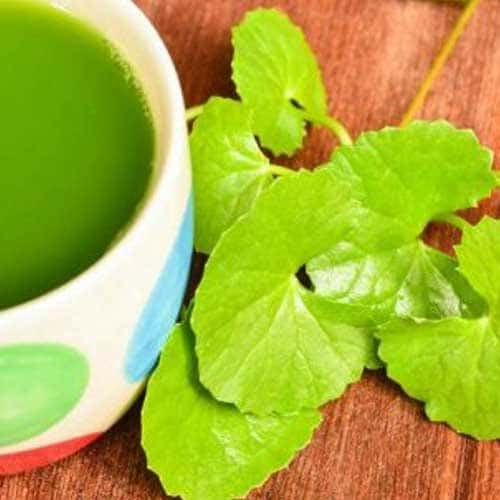
Vallarai Keerai, scientifically known as Centella asiatica or Indian pennywort, is a herbaceous plant native to Southeast Asia. Widely celebrated in Ayurveda and traditional medicine systems, this herb has been revered for its plethora of health benefits and culinary uses.
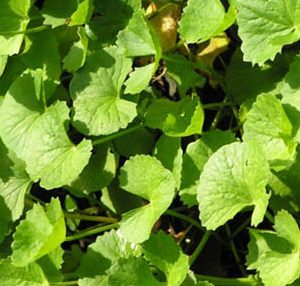
In appearance, Vallarai Keerai features small, round, green leaves that grow in clusters close to the ground. Its delicate appearance belies its robust nutritional profile. Rich in vitamins, minerals, and antioxidants, Vallarai Keerai is a powerhouse of nutrition. It contains essential nutrients such as Vitamin C, Vitamin A, Vitamin B, iron, calcium, and magnesium, making it an excellent addition to a balanced diet.
One of the most significant health benefits of Vallarai Keerai is its cognitive-enhancing properties. It has been traditionally used to improve memory, concentration, and overall brain function. Studies have shown that Vallarai Keerai contains compounds that stimulate the production of neurotransmitters in the brain, enhancing cognitive abilities and potentially offering neuroprotective effects against conditions like Alzheimer’s disease.
Moreover, Vallarai Keerai possesses anti-inflammatory and antioxidant properties, which can help combat oxidative stress and reduce the risk of chronic diseases. It is also known to promote wound healing, improve blood circulation, and support liver health.
In culinary practices, Vallarai Keerai is utilized in various dishes across South Asia. It can be incorporated into salads, soups, stir-fries, and traditional dishes like dosas and poriyals. Its slightly bitter taste adds a unique flavor profile to dishes while providing an array of health benefits.
Despite its numerous health benefits, it’s essential to consume Vallarai Keerai in moderation, as excessive intake may lead to adverse effects. Pregnant women and individuals with specific medical conditions should consult with a healthcare professional before incorporating it into their diet.
Overall, Vallarai Keerai stands as a testament to the rich tapestry of traditional medicine and culinary heritage, offering a fusion of flavor and wellness that continues to captivate enthusiasts worldwide.
Ideal Conditions
Vallarai keerai, also known as Brahmi or Centella asiatica, is a herbaceous plant native to Southeast Asia. It’s often sought after for its medicinal properties and culinary uses. Here are the ideal conditions for growing Vallarai keerai:
- Climate: Vallarai keerai thrives in warm, tropical to subtropical climates. It prefers temperatures between 20°C to 35°C (68°F to 95°F). It can tolerate some cooler temperatures but is sensitive to frost.
- Sunlight: Partial shade to full sunlight is ideal for Vallarai keerai. It can grow well in direct sunlight but may also benefit from some shade during the hottest part of the day, especially in regions with intense sunlight.
- Soil: Well-draining, fertile soil rich in organic matter is best for Vallarai keerai. A slightly acidic to neutral pH level between 6.0 and 7.0 is ideal. Sandy loam or loamy soil types are suitable.
- Spacing: Space Vallarai keerai plants about 6 to 12 inches apart to allow for adequate airflow and prevent overcrowding, which can lead to disease issues.
- Mulching: Applying a layer of organic mulch around the plants can help retain soil moisture, suppress weeds, and regulate soil temperature. Use materials like straw, shredded leaves, or compost.
- Pruning: Regularly prune Vallarai keerai to encourage bushier growth and to prevent it from becoming leggy. Pinch off the growing tips to promote branching.
- Pest and Disease Control: Keep an eye out for common pests like aphids, caterpillars, and leaf miners. Use organic pest control methods such as neem oil or insecticidal soap if necessary. Also, ensure good air circulation to prevent fungal diseases.
- Harvesting: Harvest Vallarai keerai leaves when they are young and tender, typically about 6 to 8 weeks after planting. Harvest by snipping off the outer leaves, allowing the inner ones to continue growing. Regular harvesting encourages new growth and prolongs the harvesting period.
Watering Periods
Keep the soil consistently moist but not waterlogged. Vallarai keerai prefers regular watering, especially during dry spells. However, it’s important not to overwater as it can lead to root rot.
Fertilization
Regular fertilization with a balanced, organic fertilizer can promote healthy growth. Apply fertilizer during the growing season, following the manufacturer’s instructions for dosage and frequency.
Only logged in customers who have purchased this product may leave a review.



Reviews
There are no reviews yet.